Cedar Hills, UT · Utah County
Attic Water Extraction in Cedar Hills, UTEmergency Attic Water Extraction & Ceiling Water Damage Cleanup
For a storm leak, Attic Water Extraction in Cedar Hills means wet attic insulation removal, attic leak water cleanup and attic drying services.
Answered 24/7
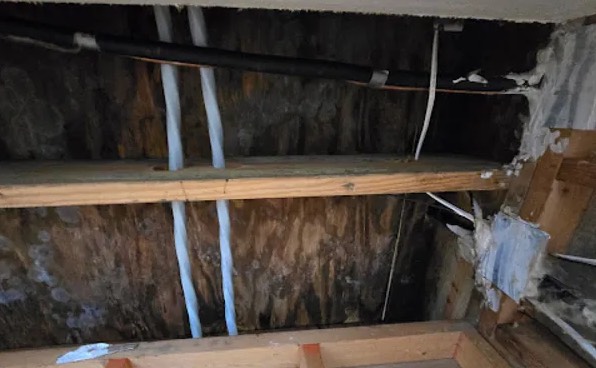
Professional Attic Water Extraction in Cedar Hills, UT
Attic Water Extraction in Cedar Hills is planned around safety. Wet wiring, light fixtures and sagging drywall are checked before anyone works in the attic or the room below.
Homeowners in Cedar Hills can call (801) 876-1119 day or night when water is coming through the ceiling. Service also covers Highland, Alpine and American Fork, with the same extraction and drying steps.
Attic Water Extraction and Damage Mitigation in Cedar Hills
Emergency Attic Water Extraction
Emergency extraction in an attic starts with catching active drips, then pulling pooled water from between joists with wet vacs and pumps.
Ceiling Water Damage Cleanup
Ceiling cleanup covers the room below: fallen drywall, wet insulation and debris are cleared, and the floor is protected.
Attic Leak Water Cleanup
Water from a roof or plumbing leak usually runs along rafters before it drips. Cleanup follows that path and removes water wherever it pooled.
Wet Attic Insulation Removal
Insulation is removed only where it got wet. Dry insulation nearby is left in place and protected during the work.
Roof Leak Water Removal
A tarp can be placed over the damaged roof area to stop more water from coming in while extraction and drying continue.
Symptoms Requiring Attic Water Extraction in Cedar Hills, UT
Visible Mold in Attic
Dark spots on rafters or decking mean the wood has stayed damp for some time.
Water Dripping From Light Fixtures
Water dripping from a ceiling light or fan is a sign of an active leak above. Turn off that circuit.
Insect Infestations in Attic
Wet wood draws insects, so new activity in the attic can be a sign of an ongoing leak.
Damp Attic Insulation
Insulation that feels damp, looks matted or has dark patches has been soaking up water.
How Attic Water Extraction Works in Cedar Hills
Step 1: Initial Attic Moisture Inspection
Meters and thermal cameras show where water pooled and how far it spread from the leak.
Step 2: Roof Leak Water Removal
Rainwater is extracted from the attic floor, and a tarp is placed over roof damage if needed.
Step 3: Dehumidification and Air Scrubbing
Dehumidifiers dry the attic air while air scrubbers capture dust from insulation removal.
Step 4: Verification of Dryness
Final readings are compared with dry areas to confirm the attic and ceiling are back to normal.
Why Attics Need Water Extraction in Cedar Hills
HVAC System Condensate Overflow
AC air handlers in the attic overflow when the condensate line clogs or the pan cracks.
Ice Dam Formation on Roof
Ice dams at the roof edge back melting snow up under the shingles and into the attic.
Roof Leaks From Storm Damage
Wind and hail can lift or break shingles, letting rain reach the decking and the attic floor.
Condensation From Poor Ventilation
Warm, moist air from the house condenses on roof decking when the attic lacks ventilation.
Attic Water Extraction for Homes and Businesses in Cedar Hills
Residential Attic Water Extraction
In townhomes and condos, attic leaks can cross into a neighbor's space. Clear photos and readings help sort out repairs with the association.
Commercial Attic Water Extraction
Property managers get records for each affected unit or suite, which helps with roof repair planning and insurance claims.
Professional Attic Water Extraction or DIY in Cedar Hills?
Patching the roof stops new water, but the attic stays wet underneath. After any roof repair, have the insulation and decking checked for leftover moisture.
Evaluating Attic Water Extraction Expenses in Cedar Hills
Water extracted from an attic in Cedar Hills the same day usually means less ceiling drywall to replace than water left over a weekend.
Size of the Affected Area
A leak that spread across the whole attic costs more than one confined to a single bay.
Access and Complexity
Low headroom, tight access hatches and narrow joists make the work slower.
Emergency Service Timing
Night, weekend and storm calls can cost more than a scheduled visit.
Does Insurance Cover Attic Water Extraction?
Coverage for attic water extraction depends on the cause of the leak and your policy. The pros record the damage and drying, and your insurer decides the rest.
Benefits of Local Pros for Attic Water Extraction in Cedar Hills, UT
Dehumidification Plan
Dehumidifiers and air movers are placed for the attic's size and airflow, then adjusted daily.
Attic Drying
Framing, decking and the ceiling below are all dried, not just the spot under the leak.
Mold Prevention Focus
Fast drying of attic wood is the main way to limit microbial growth after a leak.
Around-the-Clock Attic Water Extraction in Cedar Hills
Water coming through the ceiling in Cedar Hills? Move belongings, put a bucket under the drip and call (801) 876-1119. Attic extraction is available 24/7.
Call Now (801) 876-1119Attic Water Extraction for Cedar Hills and Surrounding Communities
Help with attic water extraction is also available in communities near Cedar Hills, including Highland, Alpine and American Fork, for roof leaks and attic equipment failures.
Attic Water Extraction FAQs for Cedar Hills Homeowners
What causes attic water damage?
Roof leaks, attic plumbing failures, overflowing AC drain pans, poor ventilation and bath fans venting into the attic.
How does roof repair relate to attic water extraction?
The roof must be fixed or tarped to stop new water. Extraction and drying deal with the water already inside.
Can I remove attic water myself?
Small drips onto plastic can be handled, but pooled water and soaked insulation need safe footing, equipment and drying.
Can wet attic insulation be saved?
Lightly damp areas sometimes dry, but soaked or matted insulation is usually removed and replaced after the attic is dry.
Why is wet insulation removal often necessary?
Soaked insulation stays wet for a long time, adds weight to the ceiling and loses its insulating value.