Farmington, UT · Davis County
Attic Water Removal in Farmington, UTAttic Drying Services & Emergency Attic Water Extraction
For a storm leak, Attic Water Removal in Farmington means emergency attic water extraction, roof leak water removal and attic moisture inspection.
Answered 24/7
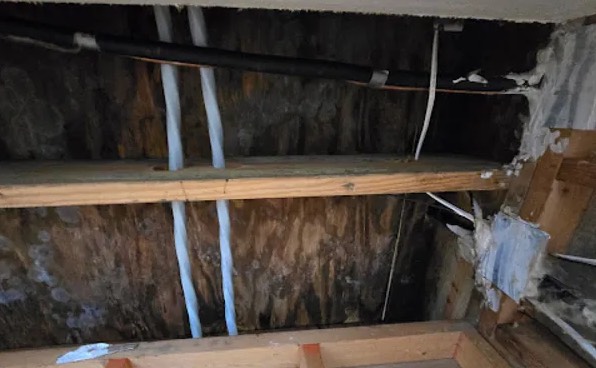
Attic Water Removal Services for Farmington Homes
Attic Water Removal in Farmington covers both the attic and the room below. Water rarely stays on the attic floor; it soaks the ceiling and sometimes runs down the walls.
Homeowners in Farmington can call (801) 876-1119 day or night when water starts coming through the ceiling. Service also covers Fruit Heights, Centerville and Kaysville, with the same inspection and drying steps.
Comprehensive Attic Water Removal Offerings
Attic Drying Services
Air movers and dehumidifiers are placed on boards across the joists so they can run safely without stressing the drywall.
Emergency Attic Water Extraction
When a storm or a burst pipe floods the attic, help is available any hour to remove the water before the ceiling below fails.
Wet Attic Insulation Removal
Fiberglass batts are lifted out by hand, while wet blown-in insulation is vacuumed with a high-powered insulation vacuum.
Attic Moisture Inspection
Moisture meters and thermal cameras check rafters, decking, insulation and the ceiling below, even in spots that look dry.
Attic Mold Prevention
After drying, wood that was wet for more than a day or two can be treated with an antimicrobial to slow microbial growth.
When to Consider Attic Water Removal in Farmington
Rotting Wood on Attic Beams
Soft, dark or crumbling wood on rafters and beams points to long-term moisture.
Visible Mold in Attic Spaces
Dark spots on rafters or roof decking mean the wood has stayed damp for days or longer.
Condensation on Attic Windows or Nails
Damp nail tips or water droplets on attic surfaces point to moisture or ventilation problems.
Water Dripping From Light Fixtures
Water dripping from a ceiling light or fan means an active leak above. Turn off that circuit.
How Attic Water Removal Works in Farmington
Step 1: Attic Flood Cleanup Response
Active drips are contained with buckets and plastic, and the room below is protected.
Step 2: Targeted Attic Moisture Removal
Water is vacuumed from between joists and on top of drywall, starting where it is deepest.
Step 3: Attic Dehumidification
Dehumidifiers pull moisture from the attic air while air movers dry the wet framing.
Step 4: Documentation for Restoration
Photos and moisture readings are compiled to show what was removed and when the attic dried.
Typical Sources of Attic Water Damage
Appliance Malfunctions Like Water Heater Leaks
Water heaters located in the attic can leak or fail, flooding the attic floor.
Storm Damage From High Winds or Hail
High winds and hail can damage shingles and open the roof to rain during a storm.
HVAC System Leaks or Drain Pan Overflow
An attic air handler overflows when its condensate line clogs or the drain pan cracks.
Burst or Leaking Plumbing Pipes
Supply lines and drain pipes in the attic can crack or burst onto the ceiling.
Attic Water Removal for Homes and Businesses
Residential Attic Water Removal
In two-story homes, attic water can run down inside walls to the floor below. Walls under the leak are checked with a meter and dried if needed.
Commercial Attic Water Removal
Flat-roof buildings often have water that travels far before it drips. The path above the ceiling is traced so every wet section is found.
Professional Attic Water Removal Compared to DIY
A fan in the room below does little for wet attic wood. Drying the attic takes equipment up there and readings to confirm it is dry.
Attic Water Removal Cost in Farmington, UT
In Farmington, the biggest costs in attic jobs are usually insulation removal, drying equipment days and ceiling repair in the room below.
Mold Prevention Measures
Antimicrobial treatment of wood that stayed wet is an added step, priced by area.
Access and Attic Complexity
Low headroom and small access hatches make attic work slower than open spaces.
Type of Insulation Affected
Blown-in insulation takes more time to remove than batts, and both add disposal costs.
Does Insurance Cover Attic Water Removal?
Ceiling damage in the rooms below is usually part of the same attic claim. Make sure the adjuster sees both spaces.
Benefits of Local Pros for Attic Water Removal
Advanced Moisture Detection
Moisture meters and thermal cameras find wet wood and insulation that look dry.
Structural Drying Focus
Rafters, decking and the ceiling are dried, not just the spot under the drip.
Damage Documentation
Photos, readings and a list of removed materials are kept for insurance.
24/7 Attic Water Removal Response in Farmington
Water dripping through your ceiling in Farmington? Put a bucket under it, move belongings and call (801) 876-1119. Attic water removal is available 24/7.
Call Now (801) 876-1119Nearby Towns for Attic Water Removal from Farmington
Besides Farmington, local water extraction specialists remove attic water, wet insulation and soaked ceiling drywall in nearby Fruit Heights, Centerville and Kaysville.
- Attic Water Removal in Fruit Heights
- Attic Water Removal in Centerville
- Attic Water Removal in Kaysville
- Attic Water Removal in West Bountiful
- Attic Water Removal in Bountiful
- Attic Water Removal in Woods Cross
- Attic Water Removal in Layton
- Attic Water Removal in North Salt Lake
- Emergency Damage Restoration in 84025
- Storm Damage Restoration in 84025
- Water Damage Restoration in 84025
- Water Extraction Service in 84025
- Water Leak Detection in 84025
- Water Removal Service in 84025
Attic Water Removal FAQs
Can wet attic insulation be saved?
Lightly damp areas sometimes dry, but soaked or matted insulation is usually removed and replaced after the attic dries.
How long does attic drying take?
Often several days, depending on how wet the wood is, the attic temperature and how much insulation was removed.
Why is emergency attic drying important?
Wet wood and drywall break down quickly. Drying fast saves more of the ceiling and lowers the risk of microbial growth.
What causes attic water damage?
Roof leaks, plumbing failures, attic AC overflows, water heater leaks, loose bath fan ducts and poor ventilation.
What happens during wet attic cleanup?
Water, wet insulation and debris are removed, stored items are moved out and the attic floor is cleaned before drying.