Taylorsville, UT · Salt Lake County
Attic Water Removal in Taylorsville, UTEmergency Attic Water Extraction & Attic Mold Prevention
Homeowners in Taylorsville get Attic Water Removal for emergency attic water extraction, attic moisture inspection and attic drying services.
Answered 24/7
Attic Water Removal Services for Taylorsville Homes
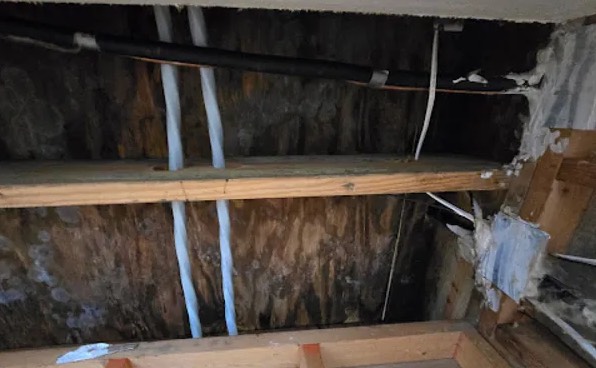
A ceiling stain in a Taylorsville home is usually the last sign of an attic leak, not the first. By the time it shows, insulation and decking above may already be wet across a wide area.
A heavy storm in Taylorsville can push water into an attic overnight. Local attic drying specialists serve Taylorsville and nearby Murray, West Valley City and Kearns, with help available around the clock.
Comprehensive Attic Water Removal Offerings
Emergency Attic Water Extraction
Emergency extraction starts with buckets and containment under active drips, then moves to pulling pooled water off the attic floor.
Attic Mold Prevention
After drying, wood that was wet for more than a day or two can be treated with an antimicrobial to slow microbial growth.
Attic Moisture Inspection
Readings are recorded at the start and at each visit, giving a clear drying history for your records and insurer.
Attic Drying Services
Air movers and dehumidifiers are placed on boards across the joists so they can run safely without stressing the drywall.
Roof Leak Water Removal
The entry point is photographed and marked, which helps both the roofer and your insurance adjuster.
Symptoms Requiring Attic Water Removal in Taylorsville
Rotting Wood on Attic Beams
Soft, dark or crumbling wood on rafters and beams points to long-term moisture.
Condensation on Attic Windows or Nails
Damp nail tips or water droplets on attic surfaces point to moisture or ventilation problems.
Peeling Paint on Ceilings or Walls
Paint that peels or blisters on upstairs ceilings and walls often has water behind it.
Visible Mold in Attic Spaces
Dark spots on rafters or roof decking mean the wood has stayed damp for days or longer.
How Attic Water Removal Works in Taylorsville
Step 1: Containment and Safety Setup
Power to wet fixtures is shut off and plastic sheeting protects the room below.
Step 2: Roof Leak Water Removal and Cleanout
Rainwater is removed, a tarp is placed over roof damage, and wet debris is cleared.
Step 3: Moisture Evaporation and Attic Drying
Equipment runs on safe footing in the attic, with readings checked each day.
Step 4: Validation of Dry Conditions
Final readings are compared to dry areas to confirm the attic is ready for new insulation.
Leading Origins of Attic Water Damage
HVAC System Leaks or Drain Pan Overflow
An attic air handler overflows when its condensate line clogs or the drain pan cracks.
Condensation From Poor Attic Ventilation
Moist air from the house condenses on roof decking when attic ventilation is poor.
Burst or Leaking Plumbing Pipes
Supply lines and drain pipes in the attic can crack or burst onto the ceiling.
Flashing Failures Around Roof Penetrations
Failed flashing around vents, chimneys and skylights lets rain run into the attic.
Residential and Commercial Attic Water Removal in Taylorsville
Residential Attic Water Removal
In houses, attic water usually reaches a bedroom or hallway ceiling. Water and wet insulation are removed from above, and the ceiling below is dried or replaced.
Commercial Attic Water Removal
In commercial buildings, water above a drop ceiling soaks tiles and insulation over several rooms. Wet tiles are removed and the plenum space above is dried.
Attic Water Removal vs. DIY: When to Call the Pros
A fan in the room below does little for wet attic wood. Drying the attic takes equipment up there and readings to confirm it is dry.
What Affects Attic Water Removal Cost in Taylorsville
The cost of attic water removal in Taylorsville depends on how far the water spread, how much insulation is wet and whether ceiling drywall below must be replaced.
Type of Insulation Affected
Blown-in insulation takes more time to remove than batts, and both add disposal costs.
Access and Attic Complexity
Low headroom and small access hatches make attic work slower than open spaces.
Mold Prevention Measures
Antimicrobial treatment of wood that stayed wet is an added step, priced by area.
Does Insurance Cover Attic Water Removal?
Many homeowner policies cover sudden attic leaks from storms or burst pipes, but not damage from worn roofing or slow leaks. Read your policy and call your insurer early.
The Value of Local Attic Water Removal Experts
Controlled Demolition Practices
Only wet insulation and drywall are removed, which keeps the repair as small as possible.
Source Identification
The pros trace the water to its source and note it for the roofer or plumber.
Industry Drying Standards
Drying follows industry water damage standards, with moisture readings taken at every visit.
Emergency Attic Water Removal Available Anytime
Ceiling sagging under the weight of water? Keep people out of the room below and call (801) 876-1119 now for attic water removal in Taylorsville.
Call Now (801) 876-1119Local Attic Water Removal Coverage Area
Besides Taylorsville, the specialists remove attic water, wet insulation and soaked ceiling drywall in nearby Murray, West Valley City and Kearns.
- Attic Water Removal in Murray
- Attic Water Removal in West Valley City
- Attic Water Removal in Kearns
- Attic Water Removal in South Salt Lake
- Attic Water Removal in Midvale
- Attic Water Removal in West Jordan
- Attic Water Removal in Sandy
- Attic Water Removal in Millcreek
- Emergency Damage Restoration in 84123
- Storm Damage Restoration in 84123
- Water Damage Restoration in 84123
- Water Extraction Service in 84123
- Water Leak Detection in 84123
- Water Removal Service in 84123
- Emergency Damage Restoration in 84129
- Storm Damage Restoration in 84129
Common Attic Water Removal Queries Answered
What happens during wet attic cleanup?
Water, wet insulation and debris are removed, stored items are moved out and the attic floor is cleaned before drying.
Can wet attic insulation be saved?
Lightly damp areas sometimes dry, but soaked or matted insulation is usually removed and replaced after the attic dries.
What is involved in attic water removal?
Stopping the source, removing pooled water, bagging wet insulation, drying the framing and decking, and checking the ceiling below.
What equipment is used for attic water extraction?
Wet vacs, pumps, air movers, dehumidifiers, moisture meters and thermal cameras, plus vacuums for wet insulation.
What are attic dehumidification services?
Dehumidifiers placed in the attic pull moisture from the air and wood, speeding drying after a leak.