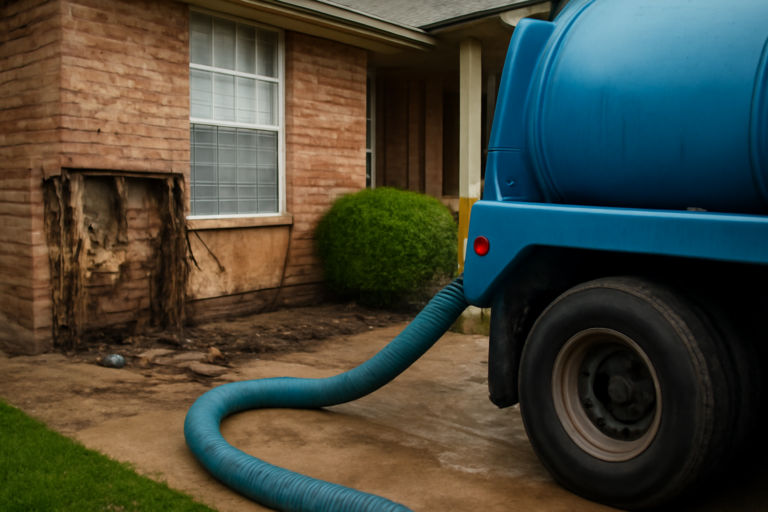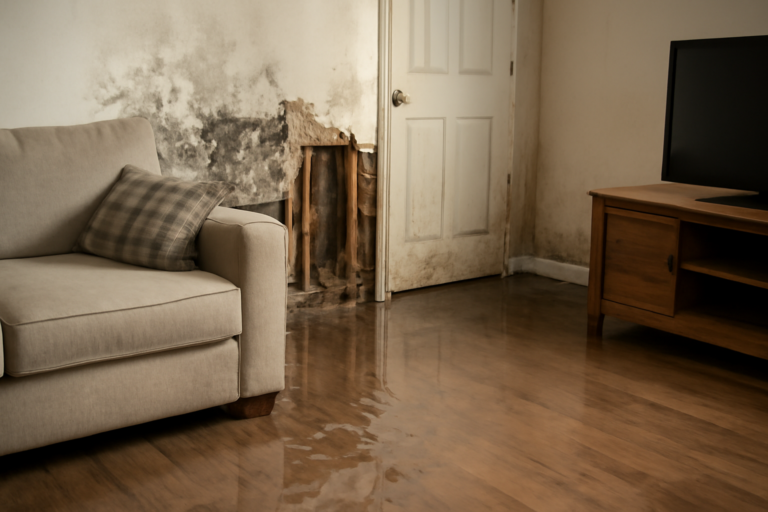
Groundwater Seepage Removal in Holladay, UT
Trusted by 160+ Homeowners
- Over 163 5-Star Reviews
- Free Estimates and Quotes
- 100% Satisfaction Guaranteed
- Child, Family & Pet Safe Steps
- 24-Hour Emergency Service
- Fully Licensed & Insured
- Call
- We arrive
- Restored

Groundwater Seepage Removal in Holladay, UT: A Hidden Drought Risk
Holladay, UT gets most of its water from local aquifers, which are naturally replenished by precipitation, snowmelt, and runoff. But, this underground water supply can also become a major problem if it seeps into your home or property. Groundwater seepage removal is a common issue in our area, especially during wet winters or heavy rainfall events. You might notice water stains on your walls, a musty smell, or even a slow ceiling leak. It’s essential to address this issue quickly to prevent further damage and costly repairs.
Our team has helped over 165 homeowners in Holladay, UT and surrounding areas recover from groundwater seepage damage. We understand the importance of quick and effective solutions to reduce losses and get your property back to normal quickly.
- Get professional help to prevent further damage and costly repairs.
- Identify and fix the source of the seepage to prevent reoccurrence.
- Ensure your home’s foundation and walls are structurally sound and waterproof.
How Groundwater Seepage Removal Works
Groundwater seepage removal needs a meticulous process to ensure thorough drying, proper equipment usage, and precise moisture detection. We’ll use specialized equipment to locate the source of the seepage, assess the extent of the damage, and develop a customized plan to address the issue. Our team will work efficiently to reduce downtime and get your property back to normal as quickly as possible.
Step 1: Moisture Detection and Assessment
Our technicians will use high-tech equipment to detect moisture levels in your walls, floors, and ceilings. This helps us identify the areas that need attention and develop a plan to address the issue. We’ll also assess the extent of the damage to find out the best course of action.
Step 2: Containment and Drying
We’ll set up containment barriers to prevent further water damage and reduce the risk of mold growth. Our team will then use specialized equipment to dry out the affected areas, including walls, floors, and ceilings. This step is critical to preventing long-term damage and ensuring a safe environment for you and your family.
Step 3: Damage Repair and Restoration
Once the area is dry, we’ll repair any damage to your walls, floors, and ceilings. This includes replacing drywall, patching holes, and repairing any structural issues. Our team will also ensure that your home’s foundation and walls are structurally sound and waterproof to prevent future seepage issues.
Step 4: Final Inspection and Clearance
Our team will conduct a thorough inspection to ensure that all moisture has been removed, and the area is safe and secure. We’ll also provide you with a comprehensive report detailing the work done, including before-and-after photos and a detailed breakdown of the services provided.
Don’t wait until the problem gets worse, act quickly to prevent further damage and costly repairs. Call our team today to schedule an appointment and let us help you recover from groundwater seepage damage.

Warning Signs You Need Groundwater Seepage Removal
Early detection is key to preventing costly repairs and reducing the risk of mold growth. Keep an eye out for these warning signs to ensure you address the issue quickly:
Musty Odors That Won’t Go Away
A persistent musty smell can show the presence of mold or mildew in your home. This is especially concerning if you have pets or family members with allergies or respiratory issues.
Water Stains on Walls or Ceilings
Water stains on your walls or ceilings can be a sign of groundwater seepage. Don’t ignore these stains, they can show a larger issue that needs prompt attention.
Slow Ceiling Leaks or Drips
A slow ceiling leak or drip can be a sign of groundwater seepage. This can lead to further damage and costly repairs if left unchecked.
Basement or Crawlspace Flooding
Basement or crawlspace flooding can be a sign of groundwater seepage. This needs immediate attention to prevent further damage and reduce the risk of mold growth.
Warped or Buckled Flooring
Warped or buckled flooring can be a sign of groundwater seepage. This needs prompt attention to prevent further damage and ensure a safe environment for you and your family.
Mold or Mildew Growth
Mold or mildew growth on walls, ceilings, or floors can be a sign of groundwater seepage. This needs immediate attention to prevent further damage and reduce the risk of health risks.
Groundwater Seepage Removal vs. DIY: When To Call a Professional
| Situation | DIY? | Call a Pro? | Why |
|---|---|---|---|
| Minor water stain on a wall | Yes | No | You can fix the stain yourself with a DIY kit. |
| Slow ceiling leak or drip | No | Yes | A professional is needed to diagnose and fix the source of the leak. |
| Basement or crawlspace flooding | No | Yes | A professional is needed to assess and fix the issue to prevent further damage. |
| Mold or mildew growth on walls or ceilings | No | Yes | A professional is needed to safely remove the mold or mildew and prevent further growth. |
| Warped or buckled flooring | No | Yes | A professional is needed to assess and fix the issue to prevent further damage. |
| Large area of water damage | No | Yes | A professional is needed to assess and fix the issue to prevent further damage and reduce losses. |
Call our team today to schedule an appointment and let us help you recover from groundwater seepage damage. Our technicians are IICRC certified and committed to providing top-notch service and satisfaction guarantees.
Service Areas Near Holladay, UT
Our team serves the following areas: Sandy, Draper, Riverton, South Jordan, Herriman, Bluffdale, Copperton, and more.
Common Questions About Groundwater Seepage Removal
Q: Will I need to replace my entire ceiling or walls?
A: In most cases, we can repair damaged areas without replacing the entire ceiling or walls. Our team will assess the damage and develop a customized plan to reduce costs and increase efficiency.
Q: How long will the drying process take?
A: The drying process typically takes 3-5 days, but this can vary depending on the severity of the damage and the size of the affected area.
Q: Will I need to vacate my home during the repair process?
A: In most cases, you won’t need to vacate your home during the repair process. But, we may recommend that you leave the property for a few hours to allow our team to work efficiently and safely.
Q: Will my insurance cover the costs of groundwater seepage removal?
A: We recommend that you contact your insurance provider to find out coverage. In many cases, insurance will cover the costs of groundwater seepage removal, but this can vary depending on your policy and the extent of the damage.
Q: Can I prevent groundwater seepage from happening in the future?
A: Yes, there are steps you can take to prevent groundwater seepage from happening in the future. We recommend that you consult with our team to develop a customized plan to address any potential issues and prevent further damage.
Check Our Other Relevant Services
Serving Holladay, UT And Nearby Areas