HVAC Leak Water Removal in Cottonwood Heights, UT
Trusted by 160+ Homeowners
- Over 163 5-Star Reviews
- Free Estimates and Quotes
- 100% Satisfaction Guaranteed
- Child, Family & Pet Safe Steps
- 24-Hour Emergency Service
- Fully Licensed & Insured
- Call
- We arrive
- Restored
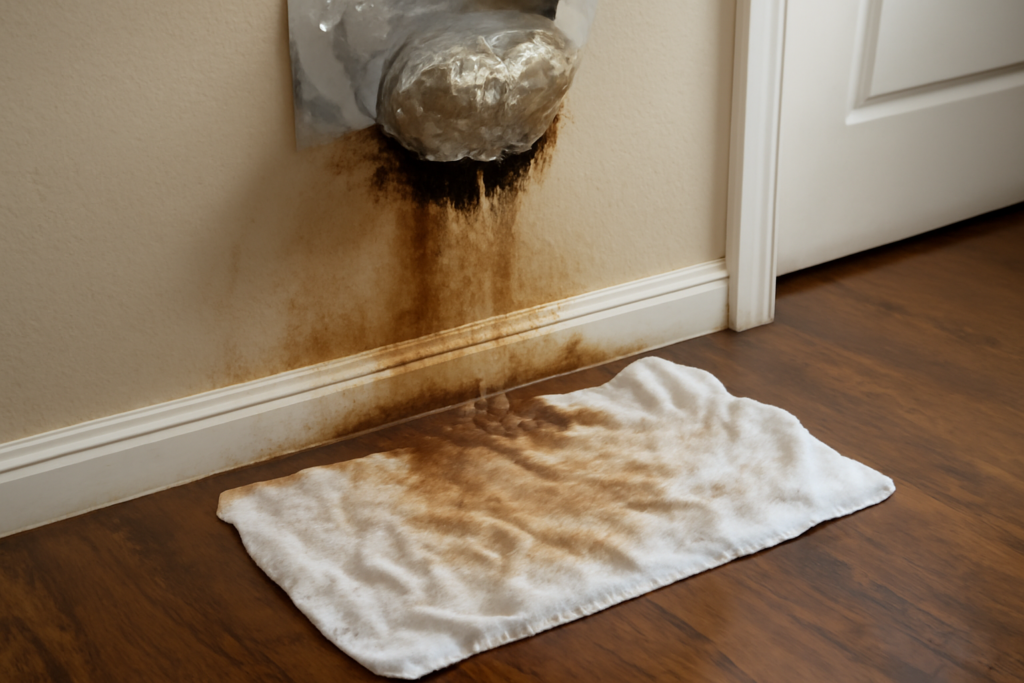
Water Damage From Your HVAC System in Cottonwood Heights, UT
Imagine coming home to find your living room flooded with water, and the source is a mysterious leak somewhere in your HVAC system. The air is thick with the smell of dampness, and you can hear the sound of dripping water echoing through the space. Your heart sinks as you realize the gravity of the situation: you need professional help, and you need it now. Don’t wait or the damage could spread and cost you thousands of dollars to repair. Our team is here to help you dry out your home and prevent further damage.
Our reputation speaks for itself, with over 165+ five-star reviews from satisfied customers in the area. We’ve helped countless homeowners in Cottonwood Heights, UT, and surrounding areas, restore their properties to their former glory. With water damage from HVAC systems, we’re the experts you can trust.
- Our team uses the latest equipment and techniques to detect and extract water from your HVAC system, ensuring a fast and efficient drying process.
- We have the expertise to identify and repair the source of the leak, preventing further damage and costly repairs.
- Our IICRC-certified technicians will work with you to develop a customized drying plan that meets your specific needs and ensures your home is safe and dry.
How We Remove Water from Your HVAC System in Cottonwood Heights, UT
Our process begins with a thorough inspection of your HVAC system to identify the source of the leak and assess the extent of the damage. We’ll use specialized equipment to detect moisture levels and identify areas that need attention. Our team will then work to extract the water from your system, using powerful pumps and vacuum systems to speed up the process. We’ll also use specialized drying equipment to dry out the affected areas, ensuring your home is safe and dry.
Step 1: Inspection and Assessment
Our team will inspect your HVAC system to identify the source of the leak and assess the extent of the damage. We’ll use specialized equipment to detect moisture levels and identify areas that need attention. This is crucial to ensuring the damage is contained and preventing further damage.
Step 2: Water Extraction
Our team will use powerful pumps and vacuum systems to extract the water from your HVAC system, speed up the process, and prevent further damage. This is a critical step in preventing mold and mildew growth.
Step 3: Drying and Dehumidification
We’ll use specialized drying equipment to dry out the affected areas, ensuring your home is safe and dry. This step is essential to preventing further damage and ensuring your home is habitable.
Step 4: Repair and Restoration
Our team will work with you to develop a customized repair plan that meets your specific needs and ensures your HVAC system is functioning properly. This is a critical step in preventing future leaks and damage.
Step 5: Final Inspection and Testing
Our team will conduct a final inspection and testing to ensure your HVAC system is functioning properly and your home is safe and dry. This is a crucial step in ensuring your home is restored to its former glory.
Don’t wait any longer to address the water damage from your HVAC system. Our team is here to help you dry out your home and prevent further damage. Call us today to schedule an appointment and take the first step towards restoring your property.
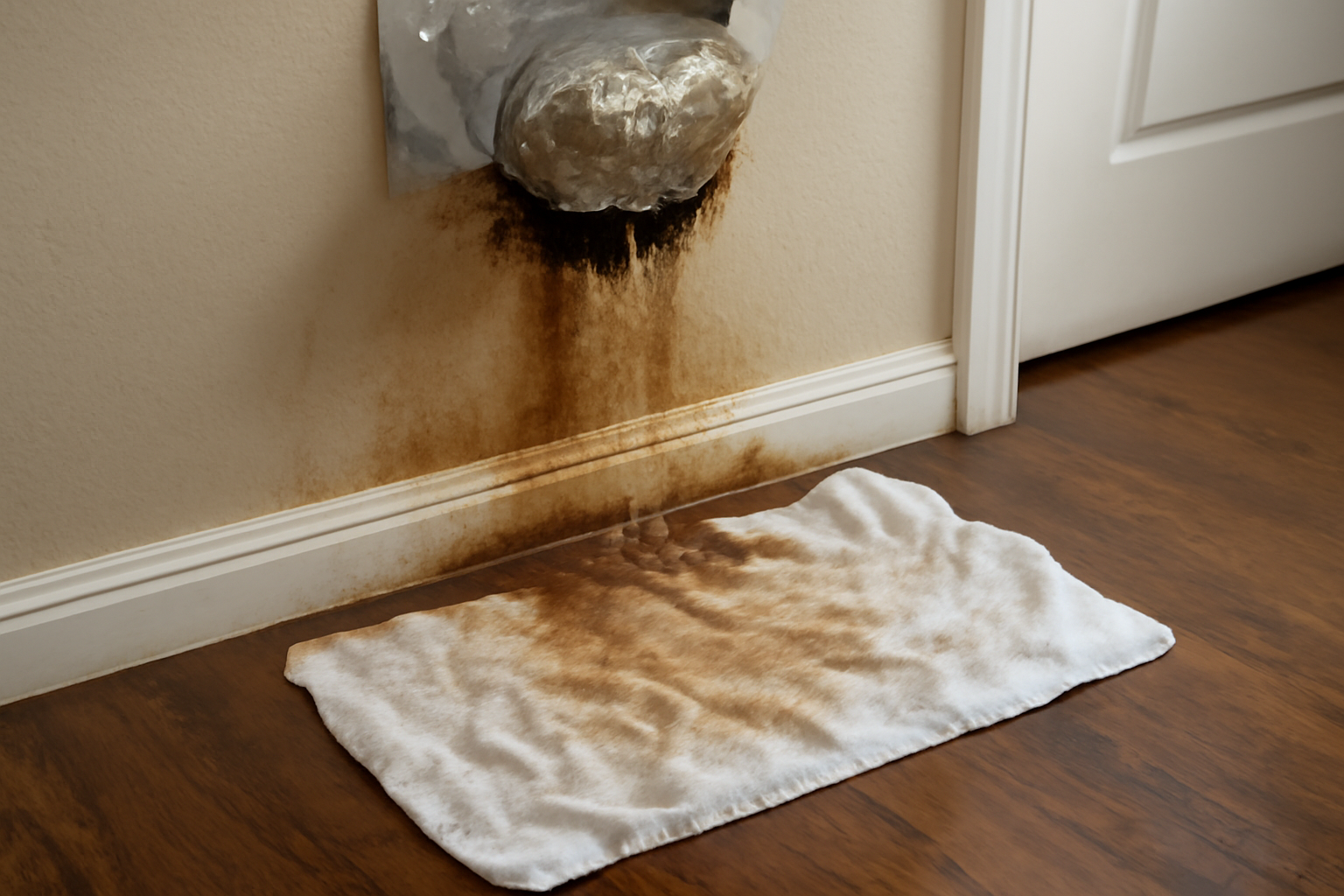
Warning Signs You Need HVAC Leak Water Removal in Cottonwood Heights, UT
Don’t wait until it’s too late to address the water damage from your HVAC system. Catching these warning signs early can save you thousands of dollars in repairs and prevent bigger problems. Here are some common signs you need HVAC leak water removal:
Musty Odors That Won’t Go Away
Strong, musty odors that persist even after cleaning and ventilation can be a sign of hidden water damage. Don’t ignore these odors as they can be a sign of mold and mildew growth.
Water Stains on Your Ceiling or Walls
Visible water stains on your ceiling or walls can be a sign of a leak in your HVAC system. Don’t delay in addressing these stains, as they can lead to further damage and costly repairs.
Dampness and Condensation
Dampness and condensation in your home can be a sign of a leak in your HVAC system. Don’t wait to address these issues, as they can lead to mold and mildew growth.
Increased Energy Bills
Increased energy bills can be a sign of a leak in your HVAC system. Don’t ignore these bills as they can be a sign of a larger problem.
Leaks in Your Ductwork
Leaks in your ductwork can be a sign of a leak in your HVAC system. Don’t delay in addressing these leaks, as they can lead to further damage and costly repairs.
Water Damage to Your Insulation
Water damage to your insulation can be a sign of a leak in your HVAC system. Don’t ignore these issues as they can lead to further damage and costly repairs.
HVAC Leak Water Removal vs. DIY: When To Call a Professional
| Situation | DIY? | Call a Pro? | Why |
|---|---|---|---|
| Small leak in your ductwork | Yes | No | DIY repairs can be effective for small leaks. |
| Large leak in your HVAC system | No | Yes | Large leaks need professional attention to prevent further damage. |
| Water damage to your insulation | No | Yes | Water damage to insulation needs professional attention to prevent further damage. |
| Musty odors in your home | No | Yes | Musty odors can be a sign of hidden water damage, which needs professional attention. |
| Leaks in your ceiling or walls | No | Yes | Leaks in your ceiling or walls need professional attention to prevent further damage. |
| Dampness and condensation in your home | No | Yes | Dampness and condensation can lead to mold and mildew growth, which needs professional attention. |
With HVAC leak water removal, it’s essential to know when to call a professional. Don’t risk further damage by trying to handle the issue yourself. Our team is here to help you dry out your home and prevent further damage.
HVAC Leak Water Removal Cost in Cottonwood Heights, UT
The cost of HVAC leak water removal can vary based on the severity of the damage, the size of the affected area, and local conditions in Cottonwood Heights, UT. These are estimates, not guarantees. Call us today to schedule an appointment and receive a free estimate.
| Service | Typical Price Range | What Affects Cost |
|---|---|---|
| Water extraction and drying | $500 – $2,500 | Size of affected area and severity of damage |
| Repair of HVAC system | $1,000 – $5,000 | Complexity of repair and type of equipment needed |
| Inspection and assessment | $100 – $500 | Size of affected area and complexity of issue |
| Moisture testing and remediation | $200 – $1,000 | Size of affected area and severity of damage |
| Dehumidification and ventilation | $100 – $500 | Size of affected area and type of equipment needed |
| Final inspection and testing | $100 – $500 | Size of affected area and complexity of issue |
Exact pricing depends on an on-site assessment. Call us today to schedule an appointment and receive a free estimate.
Service Areas Near Cottonwood Heights, UT
We serve the following nearby communities: Sandy, Draper, Riverton, Herriman, Bluffdale, South Jordan, Midvale, Taylorsville, West Jordan, Salt Lake City.
Common Questions About HVAC Leak Water Removal
Q: What causes water damage from HVAC systems?
A: Water damage from HVAC systems can be caused by a variety of factors, including leaks in the ductwork, condensation buildup, and poor ventilation. Don’t ignore these issues as they can lead to further damage and costly repairs.
Q: How long does it take to dry out a home after an HVAC leak?
A: The time it takes to dry out a home after an HVAC leak can vary depending on the severity of the damage and the size of the affected area. Our team will work with you to develop a customized drying plan that meets your specific needs and ensures your home is safe and dry.
Q: Can I try to dry out my home myself after an HVAC leak?
A: No, it’s not recommended to try to dry out your home yourself after an HVAC leak. Call a professional to ensure the damage is contained and prevent further damage.
Q: What are the risks of not addressing an HVAC leak?
A: The risks of not addressing an HVAC leak include further damage to your home, increased energy bills, and potential health risks from mold and mildew growth. Don’t ignore these risks as they can have serious consequences.
Q: How do I prevent water damage from my HVAC system?
A: To prevent water damage from your HVAC system, make sure to regularly inspect and maintain your system, including cleaning the condenser coils and checking for leaks. Regular maintenance can help prevent costly repairs and ensure your home is safe and dry.
Check Our Other Relevant Services
Serving Cottonwood Heights, UT And Nearby Areas